
Membrane CIP cleaning — step by step procedure
Short answer: CIP means Cleaning In Place — circulating a cleaning solution through the membranes without removing them. Use an acidic cleaner for scale, and an alkaline cleaner for organic and biological fouling. Clean early, when performance has dropped 10 to 15 percent, not when it has halved.
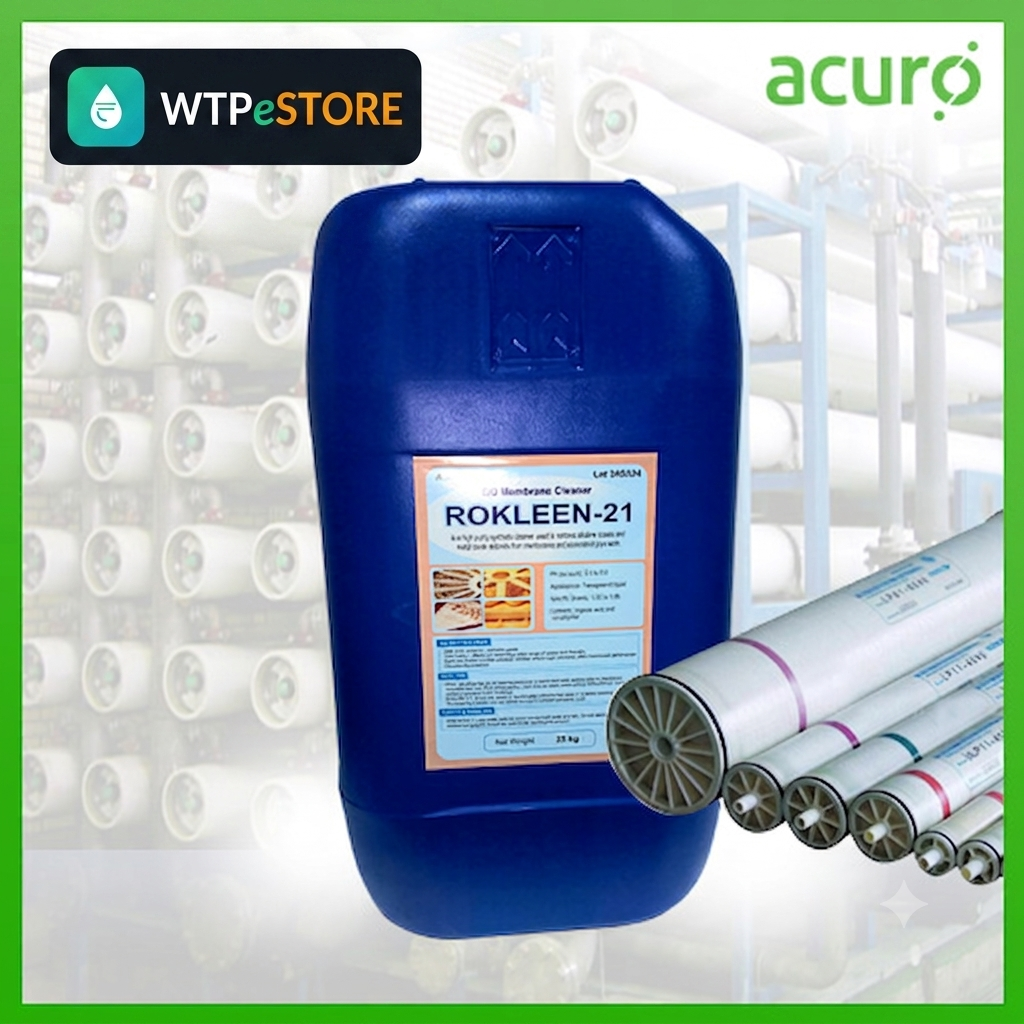
When to clean
The recognised triggers are any one of these against your baseline:
- Permeate flow down 10 to 15 percent
- Pressure drop across the housing up 15 percent
- Salt passage up 5 to 10 percent (rejection falling)
Which cleaner to use
| Type of fouling | Signs | Cleaner |
|---|---|---|
| Scale (calcium, carbonate) | Flow down, pressure up, hard water feed | Acidic cleaner |
| Organic / biological | Slimy, pressure drop rising, often smells | Alkaline cleaner |
| Colloidal / silt | Poor SDI feed, gradual decline | Alkaline |
| Iron / metal oxides | Reddish deposits | Acidic |
| Mixed | Uncertain | Alkaline first, then acidic |
What you need
- CIP tank — big enough to hold the volume of the housings plus piping
- CIP pump — able to give the required flow at low pressure
- Cartridge filter in the CIP loop, to catch loosened debris
- Cleaning chemicals — see our RO chemicals range</a> and <a href="/ro-chemicals.html">ZeroScale RO chemicals
- pH meter — to monitor and adjust the solution
- Permeate water for mixing and flushing — never raw water
The procedure
- Record the readings first — flow, pressure and TDS, so you can judge the result
- Flush with permeate at low pressure to displace feed water
- Mix the cleaning solution in the CIP tank using permeate, to the concentration on the product instructions
- Check and adjust the pH to the recommended range
- Circulate at low pressure — enough flow to scour, but low pressure so you are not forcing foulant into the membrane. Send the return to the CIP tank, not to drain
- Soak — stop the pump and let the solution stand for 30 to 60 minutes. This is where much of the work happens
- Circulate again for 30 to 60 minutes, monitoring pH. If the pH shifts significantly, the cleaner is being consumed and may need topping up
- Flush thoroughly with permeate until the pH and conductivity return to normal
- If a second stage is needed, repeat with the other cleaner and flush again between them
- Return to service, sending permeate to drain until quality is acceptable
- Record the readings again and compare
Important limits
| Parameter | Guidance |
|---|---|
| Cleaning pressure | Low — just enough to circulate |
| Cleaning flow | Higher than normal service flow |
| Temperature | Warm helps, but stay within the membrane limit |
| pH range | Within the membrane manufacturer's stated limits |
| Contact time | Soaking is more effective than pressure |
Safety
- Wear gloves, eye protection and an apron
- Add chemical to water, never water to chemical
- Keep acid and alkali well apart and clearly labelled
- Ensure ventilation
- Have clean water available for washing
- Never mix cleaners together
Judging the result
| Outcome | Meaning |
|---|---|
| Flow and rejection largely restored | Successful — fouling removed |
| Flow improved, rejection unchanged | Partial — some ageing present |
| Little change | Either wrong cleaner, or the membrane is finished |
| Rejection worse after cleaning | Possible membrane damage — check pH used |
If two properly executed cleanings produce no improvement, the membrane has reached end of life — see our replacement guide.
How often should CIP be needed?
On a well designed plant with correct pre-treatment and dosing, once or twice a year is normal. If you are cleaning every two or three months, the real problem is upstream:
- Antiscalant dosing inadequate or interrupted
- Pre-filtration insufficient, SDI too high
- Recovery set too high
- Chlorine or biological growth in the feed
Frequent cleaning is a symptom, not a solution. See our membrane life guide.
Records worth keeping
For each CIP note the date, the readings before and after, which cleaner was used, the concentration and pH, and the contact time. Over a couple of years this record tells you a great deal about how your plant is really performing.
Need CIP chemicals or advice?
Send your plant details and the symptoms, and we will recommend the right cleaner and the correct procedure.
💬 WhatsApp par poochhein 📞 9910646957Frequently asked questions
When should an RO membrane be CIP cleaned?
When permeate flow has fallen ten to fifteen percent from baseline, pressure drop has risen fifteen percent, or salt passage has increased five to ten percent. Cleaning early is far more effective than waiting until performance has halved.
Should I use an acidic or alkaline cleaner?
Acidic for scale and metal oxides, alkaline for organic and biological fouling. Where both are present, always clean alkaline first, because acid applied over organic fouling can set the deposit.
Why should cleaning be done at low pressure?
High pressure forces foulant further into the membrane rather than lifting it off. Cleaning relies on flow to scour the surface and on soaking time, not on pressure.
What happens if the pH limit is exceeded during cleaning?
The membrane can be permanently damaged. The pH and temperature limits are on the membrane datasheet and must be respected. If you do not have the datasheet, check before cleaning rather than after.
How often should CIP cleaning be needed?
Once or twice a year on a well designed plant. If you are cleaning every two or three months, the real problem is upstream — usually inadequate antiscalant dosing, poor pre-filtration or recovery set too high.